A Safer Family Starts With a Plan
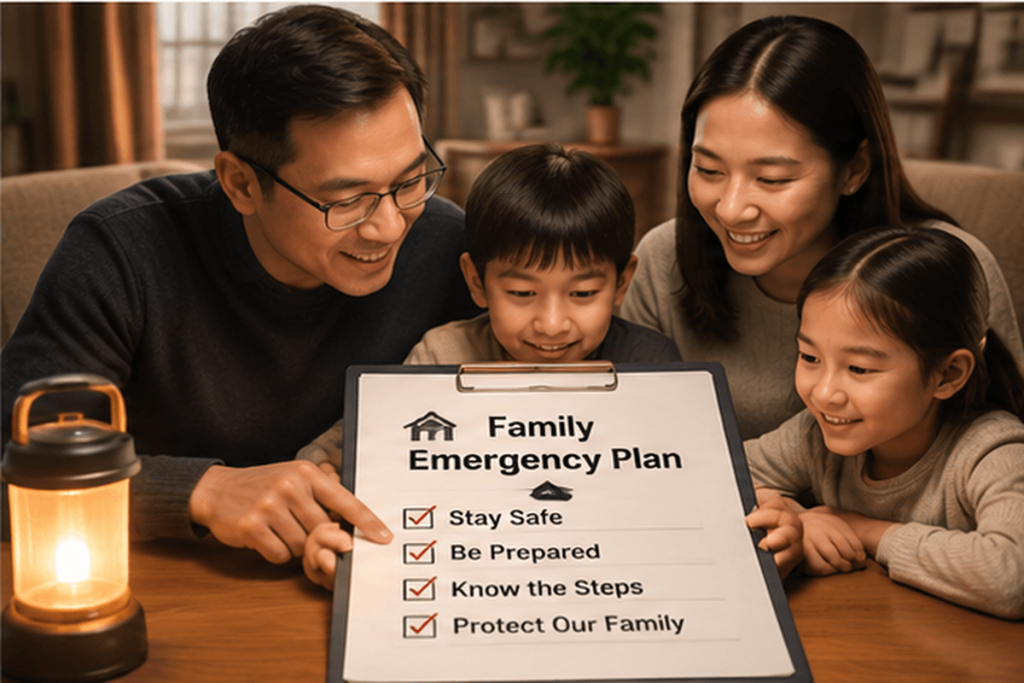
Most families have routines for school, work, meals, and weekends. But what happens to those routines when there is a fire, medical emergency, severe storm, or sudden evacuation?
In Protect What Matters Most, Sebastian E. Wong argues that a family emergency plan can remove some of the uncertainty from those critical moments. A plan is not about predicting exactly what will happen. It is about giving everyone a clearer idea of what to do when normal life is suddenly disrupted.
Start with the risks that actually affect your household. Consider your location, home environment, family members, medications, mobility needs, children, pets, and other circumstances that could influence an emergency response.
Then establish responsibilities. Who contacts emergency services? Who helps the children? Who handles essential supplies or pets? Where will everyone meet if the family has to leave the home?
Communication deserves equal attention. Important contacts should be accessible, and family members should understand how they will reconnect if they become separated.
Preparation also requires supplies. Wong discusses building an emergency kit around practical essentials while adapting it to the specific needs of each household.
Finally, practice the plan. A document forgotten in a drawer will not build confidence. Reviewing procedures and running drills helps make the response more familiar.
A safer household is not created overnight. It develops through small, deliberate actions—and the best time to begin is before those actions become necessary.